The Fed Just Won a Round Against Trump — But the War Isn't Over
The Supreme Court blocked Trump's attempt to remove Fed governor Lisa Cook. With inflation above 4% and a president publicly pressuring his own pick for Fed chair, the independence fight is far from settled.
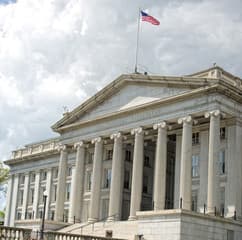
Central bank independence is one of those institutional norms that's easy to take for granted until someone tests it directly. In 2026, someone did. President Trump attempted to remove sitting Fed governor Lisa Cook, citing unproven allegations of mortgage fraud — and lost, in a Supreme Court ruling that found the administration had failed to give Cook the legally required opportunity to respond to the accusations before trying to fire her.
A real legal guardrail, reaffirmed
The ruling matters beyond Cook's individual case. It reaffirms a principle that's underpinned decades of American monetary policy: that interest rate decisions get made based on economic data and the judgment of appointed technocrats, not on the preferences of whoever currently occupies the White House. That's not a trivial guardrail. Central banks in countries where that independence erodes tend, over time, to produce worse inflation outcomes, because political incentives around interest rates are almost always short-term while the costs of bad monetary policy are long-term.
The pressure campaign didn't stop
Even with that legal setback, Trump's broader effort to influence the Fed hasn't ended — it's shifted targets. Kevin Warsh, the president's own pick to chair the Fed, has drawn attention for a recent interest rate decision that defied White House preferences, a notable moment given that Warsh was specifically chosen with the expectation of alignment. Trump has since eased public pressure on Warsh as inflation climbed above 4%, a sign that even a president inclined to lean on the Fed recognizes the political risk of visibly overruling it while prices are actively rising.
Why the timing is especially fraught
The Personal Consumption Expenditures price index hit 4.1% in May, more than double the Fed's 2% target, driven substantially by the oil price shock from the Iran war. That combination — a war-driven inflation spike colliding with a president who wants lower rates for political and economic reasons — is close to the worst-case scenario for Fed independence: real, defensible economic grounds exist for the Fed to hold rates higher for longer, precisely when a White House under political pressure from rising prices wants the opposite outcome loudest.
What this means going forward
I think the honest read here is that short-run legal protections for the Fed look stronger than they have in years, thanks to the Cook ruling. But institutional independence isn't just a legal question — it's also a question of sustained political pressure over multiple terms, and one Supreme Court case doesn't resolve that longer battle. If inflation stays elevated through the fall and rate cuts remain off the table into 2027 as some forecasts now suggest, the pressure on the Fed to bend — legally or otherwise — isn't going away. It's just been redirected toward whoever holds the chair next.
More from News

Houthi-Saudi Red Sea Truce Collapses: Aramco Sites Struck, Hodeidah Bombed, Maritime Embargo Declared
A four-year informal truce between the Houthis and Saudi Arabia has broken down within days: Houthi forces struck Saudi Aramco's Red Sea facilities, the Saudi-led coalition bombed Houthi positions in Hodeidah, and the Houthis have now declared a maritime embargo.

Iran War Latest: Strikes Stay Paused as Jordan Downs Drones and a Second Front Risks Opening in the Red Sea
The US bombing pause on Iran is holding into a second week, but Jordan has shot down two drones, Japan is urging Iranian flexibility, and a fast-deteriorating Houthi-Saudi standoff in the Red Sea threatens to open a second front while Hormuz remains shut.

Iran War Update: US Strikes Pause After 13 Nights as Oman Brokers Progress on Reopening Hormuz
For the first time in two weeks, the US did not announce new strikes on Iran this weekend. Tehran is calling the pause a victory while its foreign ministry reports progress in Oman-mediated talks on reopening the Strait of Hormuz — even as a separate incident with Ukraine and rising fuel prices complicate the picture at home.