20 Years of the Henley Passport Index Reveal a Strange Truth: The World Got Less Peaceful, But More Mobile
The 20th-anniversary Henley Passport Index report pairs two decades of mobility data with two decades of peace data — and finds passport power has nearly doubled even as the world logged its highest number of state-based conflicts since World War II. The US passport, meanwhile, keeps sliding.
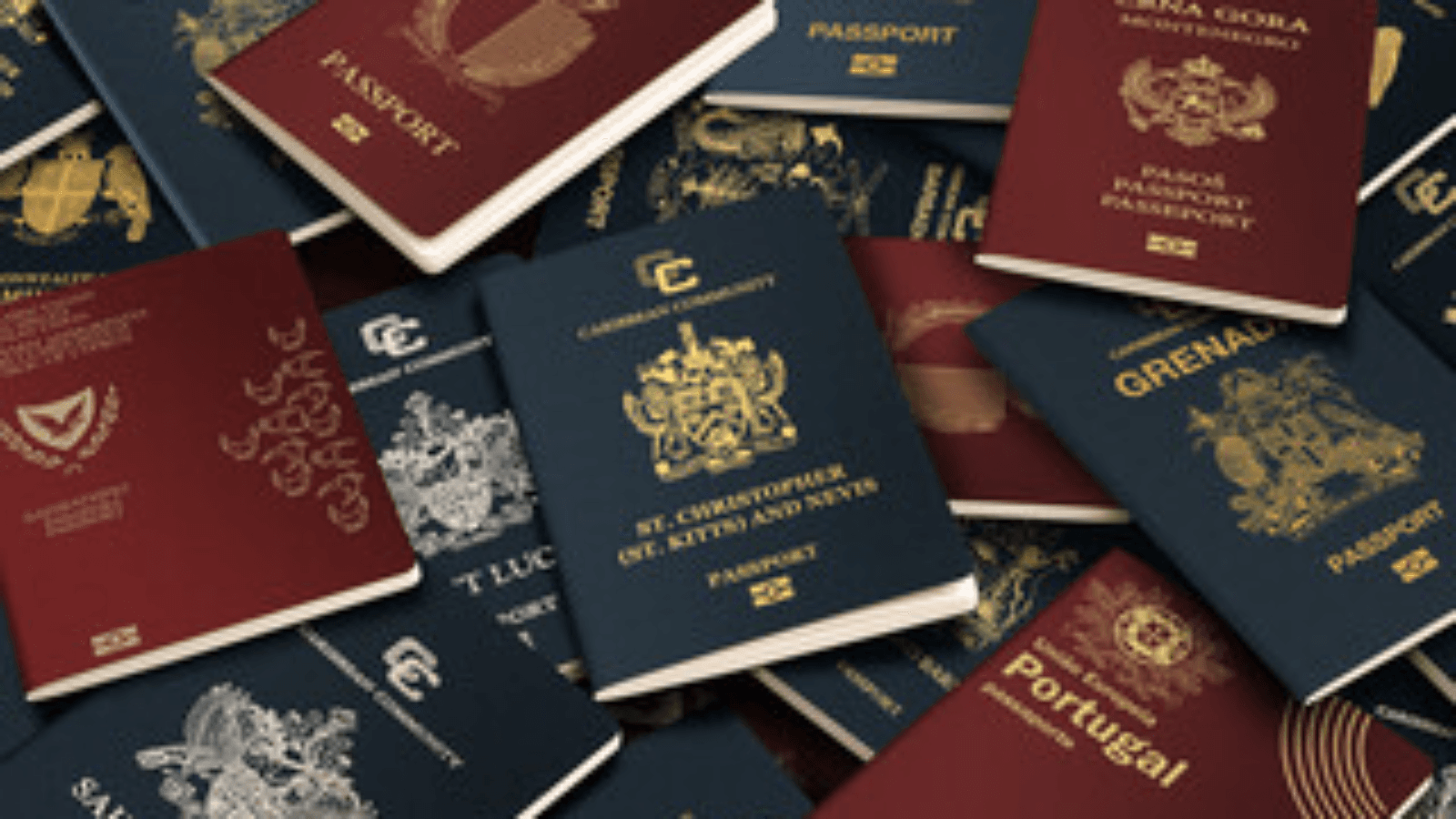
The Henley Passport Index turned 20 this year, and the anniversary report the firm published does something none of its previous annual rankings have: it lays two full decades of passport-power data directly against two decades of Global Peace Index data, to ask a genuinely uncomfortable question. If the world has gotten less peaceful, why has it also gotten dramatically easier to cross borders?
The numbers on both sides of that question are stark. The average passport today provides visa-free access to 108 destinations, up from just 58 when the index launched in 2006 — global mobility has very nearly doubled in twenty years. Over the same period, the Global Peace Index has recorded the highest number of active state-based conflicts since the Second World War. Henley's report calls this the "peace paradox," and it's a real one: passport power and global peacefulness, two measures that intuitively feel like they should move together, have spent two decades moving in opposite directions.
At the top of the rankings, the story is one of consolidation among an expanding club of high-mobility states. Singapore holds the number one spot for another year, with visa-free or visa-on-arrival access to 192 destinations. Japan, South Korea, and the United Arab Emirates share second place at 187 each — and the UAE's presence there is the more remarkable data point of the two, since Henley's twenty-year retrospective identifies it as the single biggest riser in the index's history, having added 153 visa-free destinations since 2006. Convergence at the top has accelerated too: in 2006, just 26 different passports occupied the index's top ten ranking positions; today, 38 passports share those same top ten spots, reflecting how many more countries have negotiated their way into the high-mobility tier over two decades.
The United States tells a very different story, and it's the one likely to generate the most domestic attention. The US passport sits at 10th place in the 2026 index, offering visa-free or visa-on-arrival entry to 180 destinations — a recovery from 12th place last year, but still a long way down from where American mobility once stood. Over the full twenty-year span of the index, the US has recorded the third-largest ranking decline of any country measured, behind only Venezuela and Vanuatu, falling six full places from 4th to 10th. Because Henley groups countries with identical visa-free totals into shared rank positions, that 10th-place standing actually means 36 other passports now sit ahead of the US in practical terms.
Henley's own analysts frame the decline in structural terms rather than as a temporary blip: passport power, they argue, ultimately reflects political stability, diplomatic credibility, and a country's ongoing ability to shape international rules and reciprocal agreements — which makes a sustained, two-decade slide a signal worth taking seriously rather than dismissing as a rounding error. The report's final and perhaps most consequential finding is the widening gap it documents at the opposite end of the spectrum: while the most mobile passports have nearly doubled their reach over twenty years, the least mobile ones have gained far less ground, leaving citizens of the world's weakest passports increasingly isolated even as international travel has become dramatically easier for everyone above them. Global mobility, in other words, didn't just grow over the past two decades — it grew unevenly, and the 20th-anniversary report is the first to measure exactly how unevenly against the backdrop of a world that simultaneously became less peaceful.
More from News

Houthi-Saudi Red Sea Truce Collapses: Aramco Sites Struck, Hodeidah Bombed, Maritime Embargo Declared
A four-year informal truce between the Houthis and Saudi Arabia has broken down within days: Houthi forces struck Saudi Aramco's Red Sea facilities, the Saudi-led coalition bombed Houthi positions in Hodeidah, and the Houthis have now declared a maritime embargo.

Iran War Latest: Strikes Stay Paused as Jordan Downs Drones and a Second Front Risks Opening in the Red Sea
The US bombing pause on Iran is holding into a second week, but Jordan has shot down two drones, Japan is urging Iranian flexibility, and a fast-deteriorating Houthi-Saudi standoff in the Red Sea threatens to open a second front while Hormuz remains shut.

Iran War Update: US Strikes Pause After 13 Nights as Oman Brokers Progress on Reopening Hormuz
For the first time in two weeks, the US did not announce new strikes on Iran this weekend. Tehran is calling the pause a victory while its foreign ministry reports progress in Oman-mediated talks on reopening the Strait of Hormuz — even as a separate incident with Ukraine and rising fuel prices complicate the picture at home.